Sofia Foster · 5 October 2026
Exploring Signal-Based Automation for Inventory Replenishment in Distribution Centers
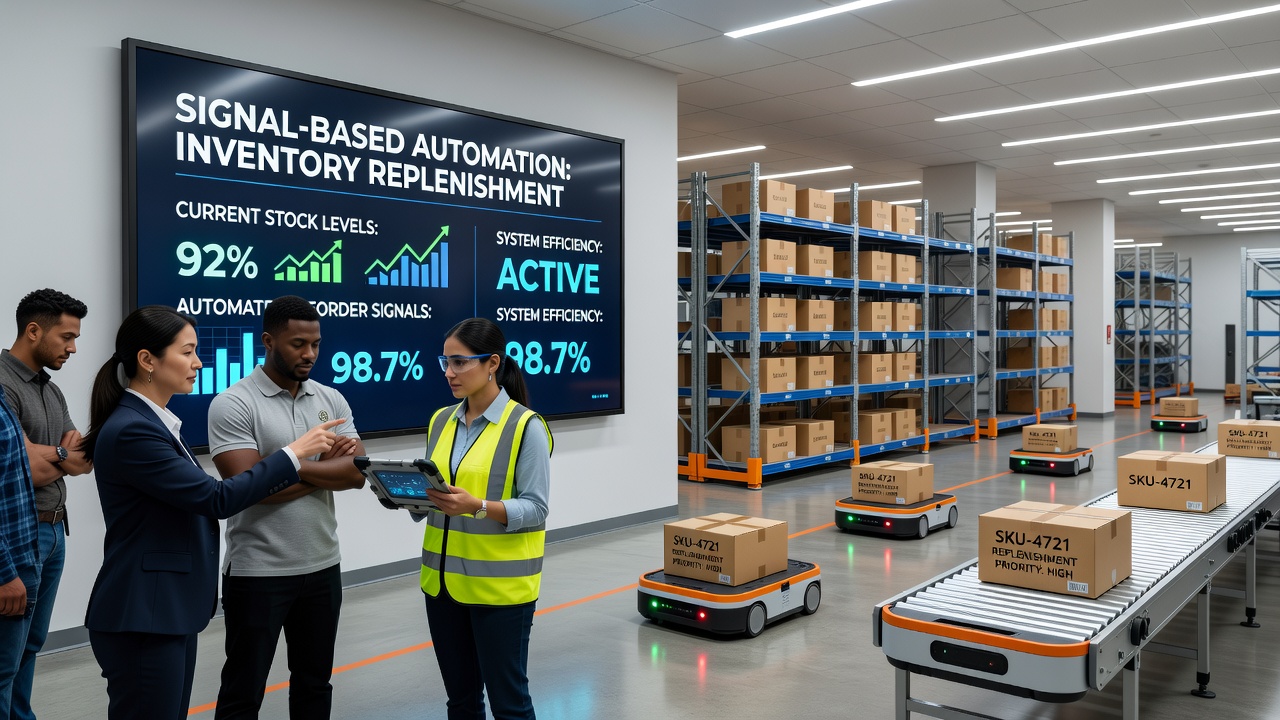
Signal-based automation relies on continuous data streams from sensors, RFID tags, and IoT devices to trigger inventory replenishment without manual intervention, and distribution centers have adopted these systems to maintain stock accuracy across high-volume operations. Research indicates that facilities using real-time signal inputs reduce stockouts by integrating threshold alerts directly into warehouse management software, while data from multiple sites shows improved order fulfillment rates when signals replace periodic counts. Observers note that this approach connects physical movement of goods to digital workflows, allowing replenishment orders to generate automatically once inventory drops below predefined levels.
Core Technologies Driving Signal Integration
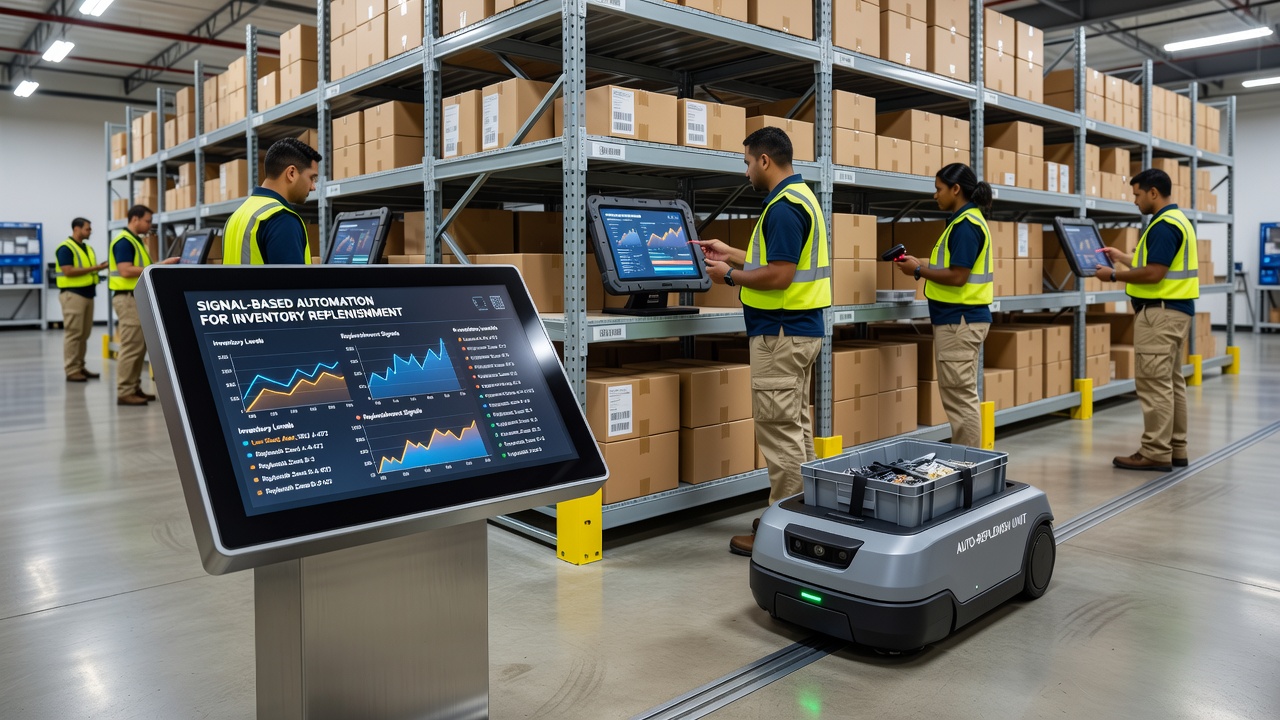
RFID readers capture tag data as pallets move through dock doors, and Bluetooth Low Energy beacons transmit location updates that feed into centralized platforms, whereas ultrasonic sensors monitor bin levels in real time. Studies from academic institutions reveal that combining these inputs creates layered visibility, so one signal from a shelf sensor can prompt a purchase order while another from a conveyor confirms receipt. In practice, distribution centers deploy mesh networks that route signals through gateways, and this setup supports scalability because additional nodes integrate without rewiring entire facilities. What's interesting is how edge computing processes these streams locally before sending summaries to enterprise systems, which cuts latency during peak shifts.
Implementation Patterns Observed in 2025-2026
Many centers began phased rollouts by tagging high-velocity SKUs first, then expanded coverage once initial data validated accuracy gains, and this incremental method allowed teams to adjust thresholds based on seasonal demand patterns. Figures from industry reports highlight that sites completing full deployments by mid-2026 reported consistent cycle time reductions, while partial installations still delivered measurable improvements in picking accuracy. And organizations in North America and Europe followed similar sequences despite differing regulatory environments, with Canadian facilities often citing alignment with federal supply chain guidelines as a driver for sensor adoption.
Signal fusion algorithms merge inputs from multiple sources to filter noise, so a single low-stock alert from an RFID scan gains confirmation from a weight sensor before triggering action. Researchers discovered that these algorithms adapt thresholds dynamically when external factors like supplier delays appear in connected planning tools, and the result is fewer false positives that once disrupted operations. Distribution centers track signal reliability through dashboards that display uptime metrics, and maintenance schedules now incorporate predictive checks derived from historical transmission patterns.
Data Flows and System Architecture
Raw signals travel from edge devices into middleware layers that normalize formats before reaching replenishment engines, and this architecture supports integration with existing ERP platforms used across global networks. According to findings published by the European Commission's Joint Research Centre, standardized data protocols reduce mapping errors during system upgrades, while Australian logistics studies demonstrate that unified formats enable cross-facility benchmarking. Operators configure business rules so that a signal indicating 20 percent remaining stock initiates a replenishment task, yet exceptions for promotional surges receive manual overrides through the same interface.
Security protocols encrypt signal transmissions to prevent interception, and regular audits verify that access controls limit visibility to authorized personnel only. In October 2026, updates to ISO supply chain standards are scheduled to include new provisions for sensor data integrity, which many centers plan to incorporate during routine maintenance windows. These updates build on existing frameworks that already address traceability requirements in food and pharmaceutical distribution.
Performance Metrics Across Deployed Sites
Case examples show distribution centers achieving 15 to 25 percent reductions in excess inventory after switching to signal-triggered replenishment, because real-time visibility replaces safety stock buffers that previously accounted for uncertainty. Data indicates that labor hours spent on cycle counts drop significantly once automated verification replaces manual scans, and the freed capacity shifts toward exception handling and process optimization. One study revealed that facilities monitoring signal latency as a key performance indicator maintained higher overall equipment effectiveness compared with those relying on batch updates.
Integration with transportation management systems allows incoming shipment signals to adjust downstream replenishment forecasts automatically, and this closed-loop approach minimizes both overstock and expedited freight costs. Observers note that third-party logistics providers increasingly offer signal-based services as add-ons, which lets smaller centers access the technology without building internal expertise from scratch.
Conclusion
Signal-based automation continues to reshape inventory practices in distribution centers by replacing scheduled checks with continuous, event-driven triggers that align stock levels more closely with actual demand signals. Evidence from multiple regions confirms measurable gains in accuracy and throughput, while ongoing standards work scheduled for late 2026 promises further refinements in data handling and interoperability. Centers that map their specific throughput profiles to sensor capabilities position themselves to capture these operational improvements as the underlying technologies mature.